Reading Food Labels in the Grocery Aisle
Ten seconds that change your cart
Imagine holding two boxes of crackers, one in each hand. The fronts both say "wholesome" and "natural." The only way to tell them apart is to turn them over. The back of the package is where the real information lives.
You do not need a nutrition degree to read a label. You need a short routine you can repeat in the aisle in about ten seconds. Here is one that works for busy shoppers over 40.
Try this at home first. Pick three items from your pantry and compare their serving sizes with the amount you usually pour or scoop. Most people are surprised by the gap, and seeing it once makes you a sharper label reader for good.
Check the serving size first
Every number on the panel is based on one serving, and one serving is often smaller than what people actually eat. Before you look at anything else, check:
- The serving size listed at the top
- How many servings are in the container
- How many servings you would realistically eat
If you eat two servings, double every number below. This single step explains most of the surprises people find when they start reading labels.
Pay attention to the very end of the ingredient list as well. Items listed last are present in the smallest amounts, so a long tail of unfamiliar names often means a highly processed food. You can decide for yourself how that fits your preferences.
Scan the ingredient list
Ingredients are listed from the largest amount to the smallest. That makes the first few items the most important. A good rule of thumb is to look for short lists made of foods you recognize.
Things worth a closer look:
- Sweeteners appearing in the first few spots, often under several different names
- Long lists of unfamiliar additives
- Whole grains listed first on bread and cereal, rather than refined flour
- Oils and fats, and where they fall in the order
Do not feel pressure to avoid everything. Just let the ingredient list tell you what the food mostly is.
It also helps to compare, not just read. Put two similar products side by side and look at the same line on each. A quick comparison tells you more than a number does alone, and it only takes a moment.
Look at the numbers that matter to you
Once you know the serving size and ingredients, scan the panel for the items you care about. Many shoppers focus on a few:
- Fiber: higher is generally a plus in grains and snacks
- Added sugars: compare similar products side by side
- Sodium: compare brands of soups, sauces and canned goods
- Protein: useful for building filling meals
Use the percent daily value column as a quick comparison tool. As a general guide, 5 percent or less is low and 20 percent or more is high for a single serving.
Another good habit is to look at the label again after a few months. Recipes change, and so do products. A favorite you grabbed on autopilot may look different now, and a quick check keeps you informed.
Ignore the front-of-package noise
Terms like "natural," "light" and "made with whole grains" are marketing, not measurements. Flip the box and trust the back panel. This habit also helps with supplements.
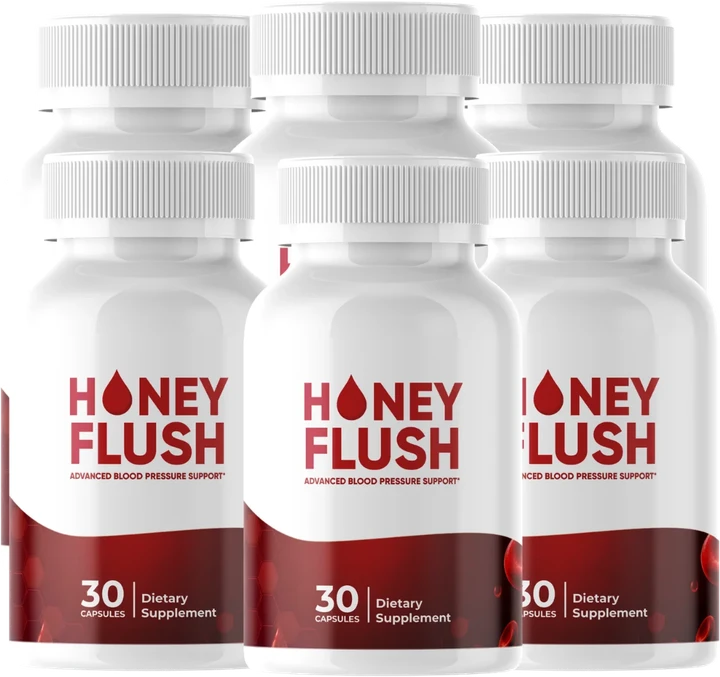
For example, the Honey Flush bottle carries a full Supplement Facts panel on its label. That panel is the place to read every ingredient and amount. We do not list anything beyond what is printed there. You can read an overview on the ingredients page.
If a product does not list something clearly, put it back and pick one that does. Clear labeling is a sign of a brand that wants you to understand what you are buying, and that applies to everything from crackers to supplements.
Make it a habit
Start by reading just one label per trip. Pick a food you buy every week and compare it with a second brand. Within a month, you will know what to look for without thinking about it.
Pair that habit with a steady morning routine. Honey Flush is a capsule, 30 per bottle, directed as one capsule daily with a glass of water, in the morning, and marketed as designed to support healthy blood pressure as part of a daily routine. Our guide to grocery shopping basics pairs well with this one.
Want a supply that lasts? The 6-bottle pack covers about 180 days at one capsule a day.
Ready to start? Visit the Honey Flush order page to see the 2, 3 and 6 bottle packs. Pricing and shipping terms are shown on the order page and at checkout, and a money-back guarantee backs every order under the refund policy shown there.